Speak to the clinic: +44 (0)20 7225 5678
All treatments

Spine and pelvis specialised treatment

Spine & Pelvis

Comprehensive spinal and pelvic assessment for alignment, muscular, ligament, disc, nerve and bone conditions.

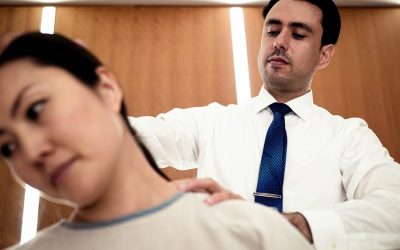
Spine treatment assessment

Understanding the area

A complete view of the problem.

The spine provides the structural centre for posture and movement and encloses the nervous system. Its alignment and supporting tissues can influence both local symptoms and the mechanics of the hips, knees, ankles and feet.

A spinal assessment considers two foundations: biomechanics—the chain of movement between the spine, pelvis and peripheral joints—and neurology—the relationship between spinal structures and the nerves serving the body.

A pelvic dysfunction can rotate the femur, alter knee loading and ankle movement, and change weight distribution through the foot. This is why a symptom away from the spine may still require the spine and pelvis to be examined.
Five defence mechanisms

From alignment to bone.

The five spinal defence mechanisms are the alignment of each vertebral segment, deep and superficial back muscles, supporting ligaments, intervertebral discs and the vertebral bones. Treatment is selected according to the tissues involved rather than the symptom alone.

  1. 01

    Alignment

  2. 02

    Muscles

  3. 03

    Ligaments

  4. 04

    Discs

  5. 05

    Bones

Conditions assessed

Five levels of spine injury.

Each presentation is assessed individually. The lists below show conditions considered within Fernando’s clinical framework.

Level 1

Alignment

Posture, alignment & nerve patterns

  • Short leg deficiency
  • Flat or hyperlordotic spine
  • Functional or structural scoliosis
  • Swayback deformity
  • Rib misalignment
  • Cervical and lumbar radiculopathy
  • Sciatic pain
  • Thoracic outlet syndrome
  • Cervicogenic headaches
Level 2

Muscles

Muscle and fascial conditions

  • Spinal muscle strains
  • Thoracolumbar fascia injury
  • Quadratus lumborum strain
  • Erector spinae strain
  • Torticollis
  • Scapulocostal syndrome
  • Lumbar myofascial pain
  • Gluteal pain syndromes
Level 3

Ligaments

Ligament conditions

  • Annular fibre tear
  • Flavum, interspinous and intertransverse sprains
  • Anterior, posterior and supraspinous ligament sprains
  • Sacroiliac syndrome
Level 4

Discs

Disc and joint conditions

  • Disc protrusion or extrusion
  • Spinal spondylosis
  • Spondylarthrosis
  • Facet syndrome
  • Spinal stenosis
  • Tietze’s syndrome
  • Sacroiliac syndrome
Level 5

Bones

Structural bone conditions

  • Spondylolisthesis
  • Spinal compression fractures
  • Scheuermann’s disease

Rheumatoid arthritis and ankylosing spondylitis are systemic autoimmune conditions and require appropriate medical management alongside musculoskeletal care.

Start with a conversation

Discuss your symptoms with Fernando.

Book a free 15 minute consultation